When planning a major renovation or a complete teardown, the first step is usually the hardest to stomach: demolition. You pay a crew a hefty sum to bring in heavy machinery, smash the existing structure into unrecognizable pieces, and haul it off to a local landfill. It is loud, dusty, and fundamentally wasteful. But there is a growing trend among eco-conscious homeowners and developers that flips this expensive process upside down. When you need to clear a lot for a new build, you don’t actually have to demolish the old property.
Instead, you can donate your house.
This process is called deconstruction, and it is quietly becoming the smartest way to clear a lot in Baltimore.
Deconstruction vs. Demolition
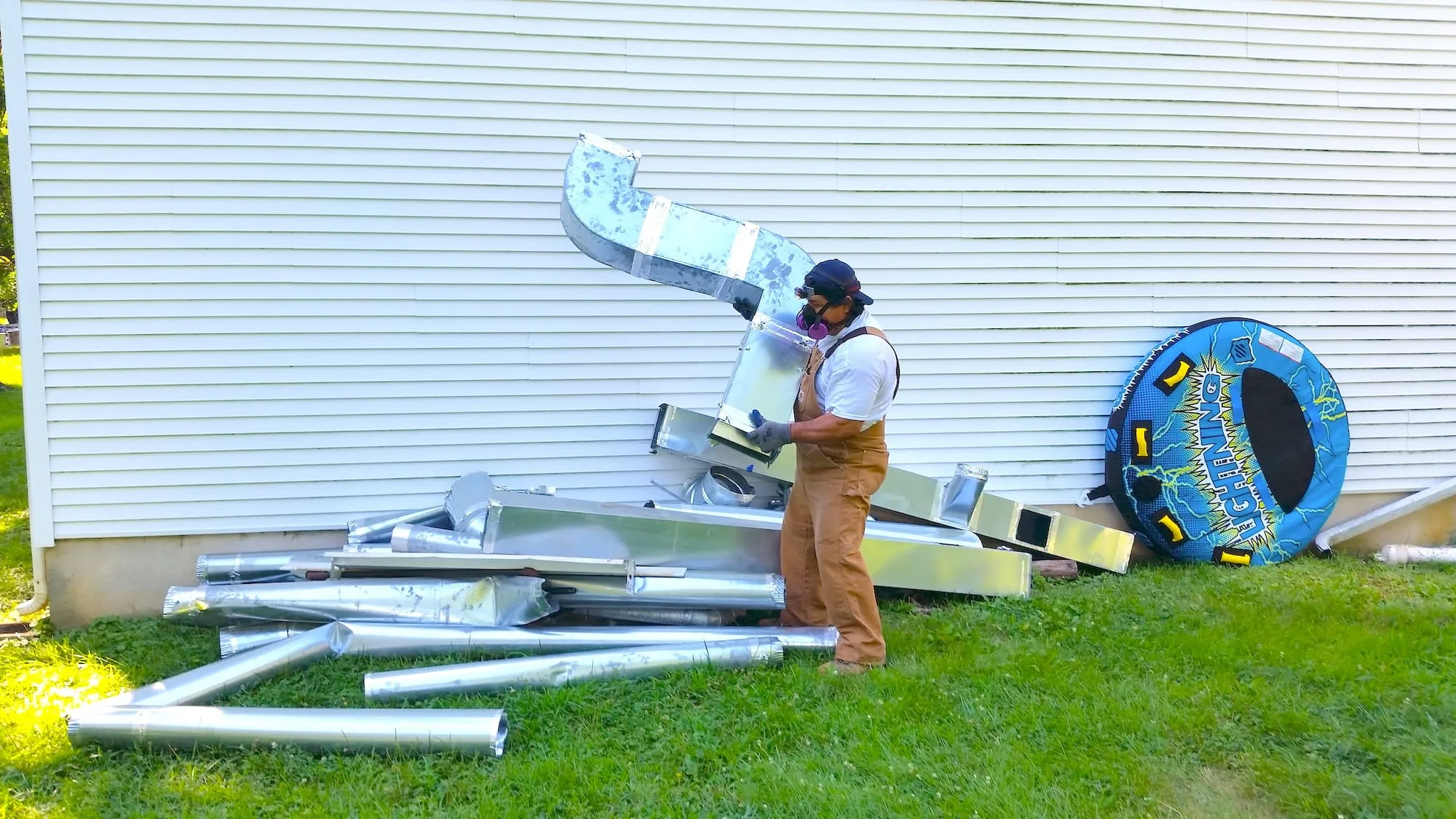
Unlike demolition, which relies on wrecking balls and excavators to destroy a building as quickly as possible, deconstruction is the art of “un-building.” Expert crews systematically and surgically dismantle a house piece by piece. The goal is to salvage as much of the home’s components as possible so they can be reused rather than thrown away.
The Hidden Value in Your Walls
Why go through the trouble of taking a house apart by hand? Because the materials inside your home have significant financial value.
When you donate those salvaged materials to a 501(c)(3) nonprofit like Second Chance, you receive a tax-deductible receipt for their fair market value. For a full-house deconstruction, these donations can be substantial. In many cases, the tax savings generated by the donation can significantly offset—or even completely cover—the cost of the deconstruction labor.
It is surprising what can be carefully extracted and given a second life. Our crews routinely salvage:
- Structural elements: Dimensional lumber, joists, and bricks.
- High-end finishes: Hardwood flooring, architectural moulding, and solid wood doors.
- Functional rooms: Entire sets of kitchen cabinets, bathroom vanities, and working appliances.
- Vintage charm: Stained glass, cast iron tubs, and historical fireplace mantels.
How the Donation Process Works
If you are considering deconstructing your property, the process requires a little more planning than standard demolition, but the payoff is well worth it.
- The Initial Assessment: The process starts with a walk-through. A team from Second Chance will evaluate the property to determine if there is enough salvageable material to make deconstruction a viable option for you.
- The Independent Appraisal: Because the IRS requires a qualified appraisal for tax deductions over $5,000, you will work with an independent, third-party appraiser who specializes in building materials. They will assess the home and create a detailed inventory of the materials’ value.
- The Un-Building: Our crews step in to carefully dismantle the structure, usually working from the inside out, safely packing and transporting the materials to our Baltimore warehouse.
- The Tax Benefit: Once the project is complete and the materials are processed, you receive the documentation necessary to hand over to your CPA at tax time.
Building Up the Community
Choosing to donate your home’s materials is a smart financial move, but its real-world impact extends far beyond your tax return.
Construction and demolition waste accounts for a massive portion of the debris in our local landfills. Deconstruction gives tons of usable lumber, metal, and fixtures a second life.
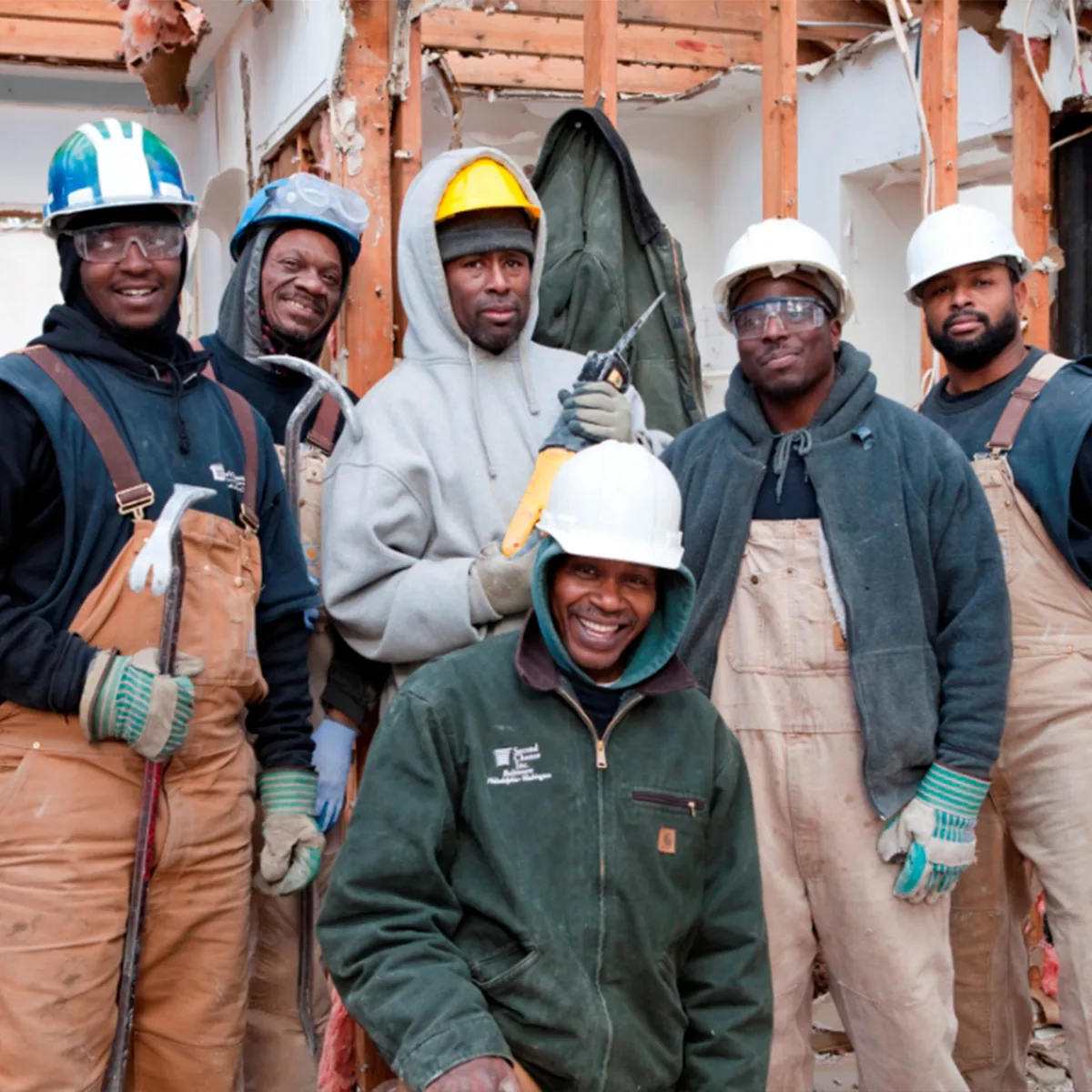
More importantly, at Second Chance, deconstruction is the engine for our mission. We use these projects as hands-on training grounds for individuals in Baltimore facing barriers to employment. When you choose to deconstruct your property, your old house becomes a classroom. It provides local residents with the opportunity to learn valuable trade skills, earn a living wage, and build a sustainable career.
If you are preparing to tear down a property or gut a space, don’t let a bulldozer destroy the value hidden in your walls. Reach out to the Second Chance deconstruction team to see if donating your house’s materials is the right first step for your new build.
Disclaimer: Second Chance Inc. provides this information as an educational resource but does not offer tax advice. We strongly recommend consulting with a qualified tax professional, CPA, or independent appraiser to understand how a donation of building materials applies to your specific financial situation.
